How to read a food label without overcomplicating it
A short supermarket checklist: what to look at first, what to ignore, and where manufacturers try to confuse you.
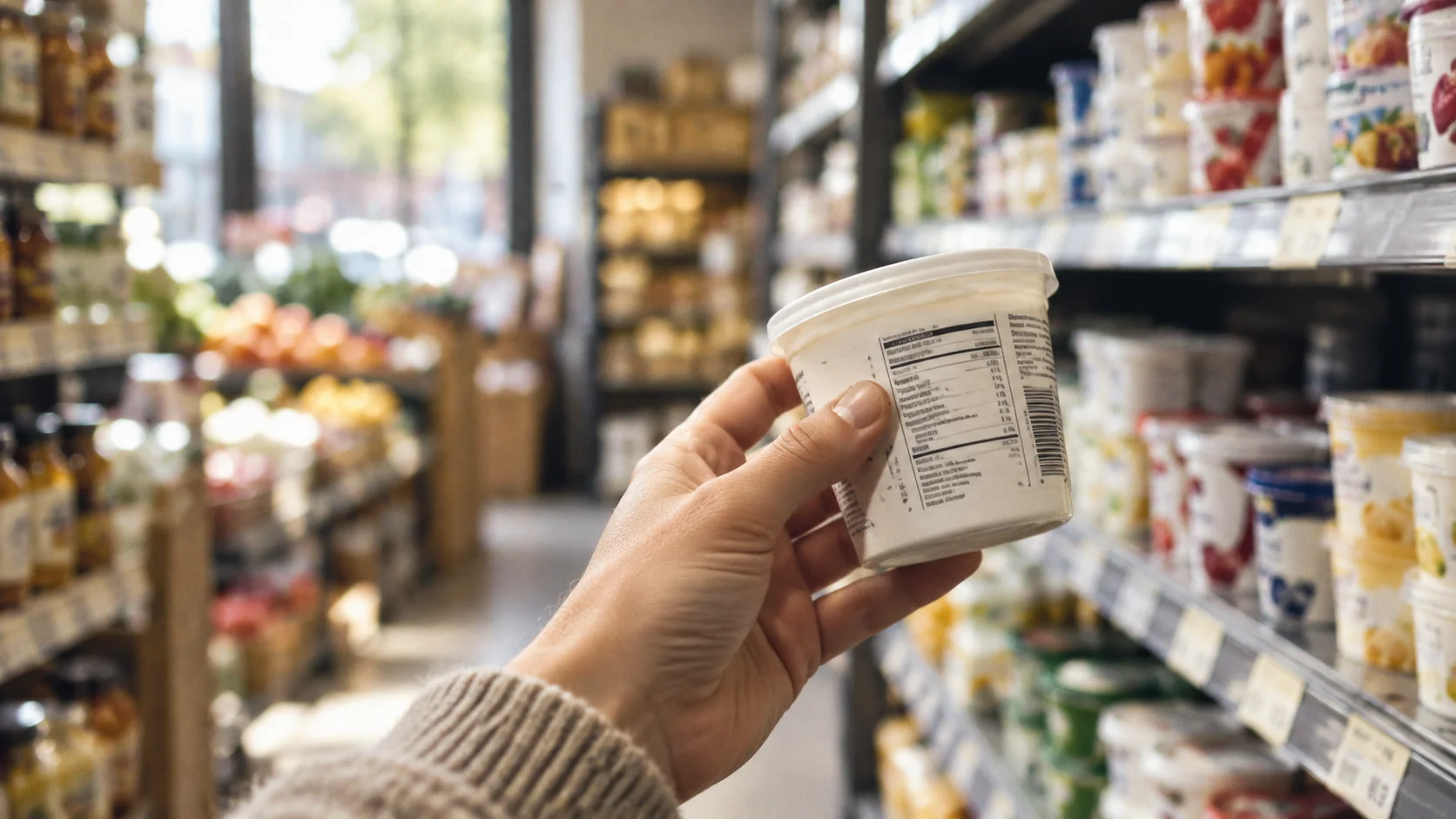
Look at the ingredient list before the nutrition facts. If the list is short and you recognize the names, it is probably a good choice.
The nutrition facts tell you how much. The ingredient list tells you what. They tell two different stories.
Front-of-package claims such as “source of protein,” “light,” and “natural” are regulated marketing, but they do more to sell than to inform.
What the science says
- In observational studies, ultra-processed foods are associated with greater cardiometabolic risk.
- The serving size declared by the manufacturer is often smaller than the amount actually consumed.
How to apply it
- Compare products per 100 g or ml, not per serving.
- Read the first 3 ingredients because they make up most of the product.
- Watch for added sugars hidden under other names.
A label is not everything. The context of the meal, frequency, and quantity matter more than any single product.
notice.txt: This content is for educational purposes and was created by a nutrition student. It does not replace personalized guidance from a qualified professional.
Keep reading
 Performance
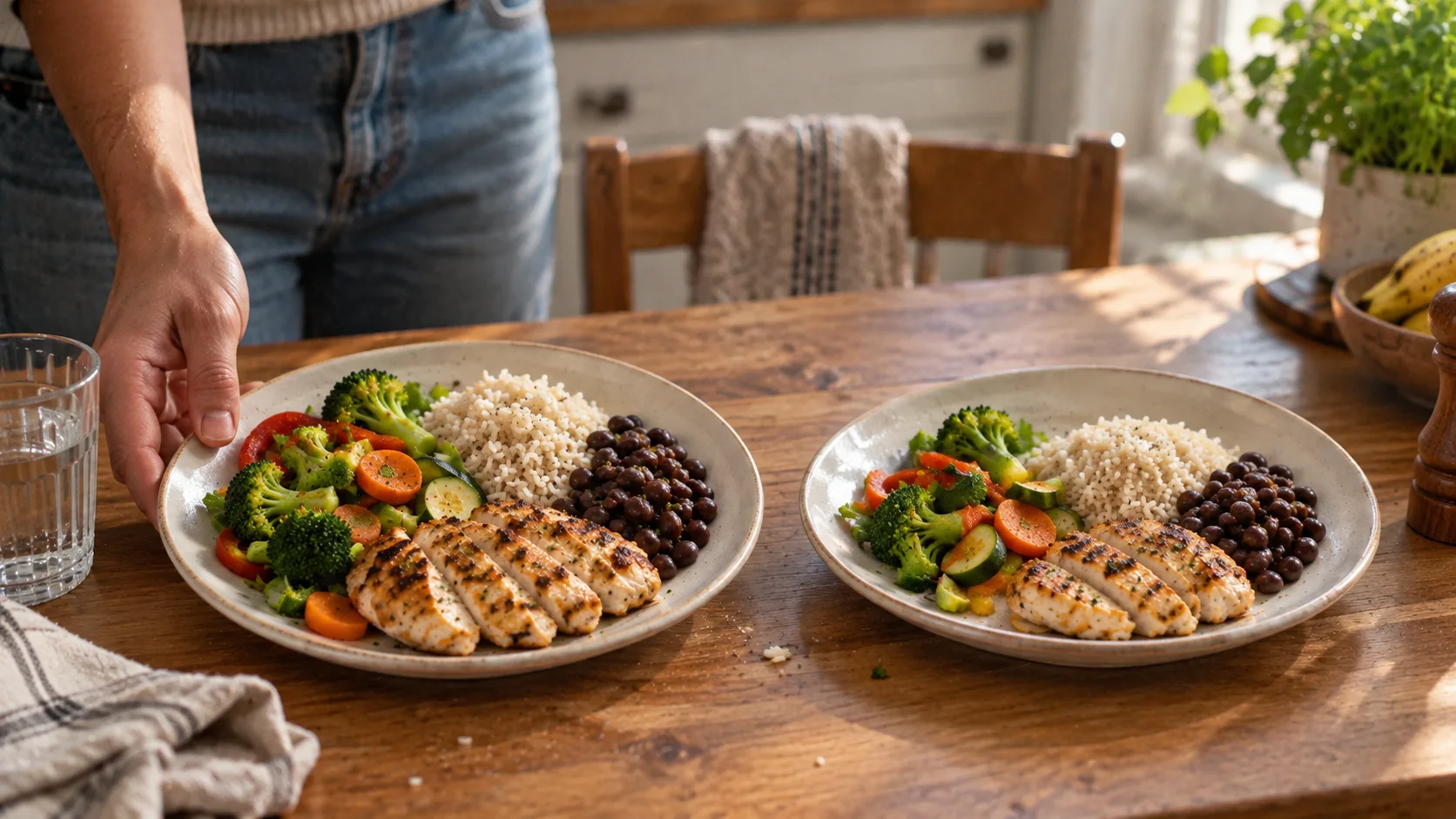
Does the same plate work for an intense training day and a rest day?
Rice, beans, protein, and vegetables can appear on both days. What changes is the training demand, the time until the next session, and the energy you need, without rigid carb-cycling rules.
 Supplements
Creatine: how to take it, how much, and when, according to science
3 to 5 grams a day, every day, whether you train or not. Understand what creatine does in muscle, how to use it, the loading phase, and the myths still circulating online.
 Science explained
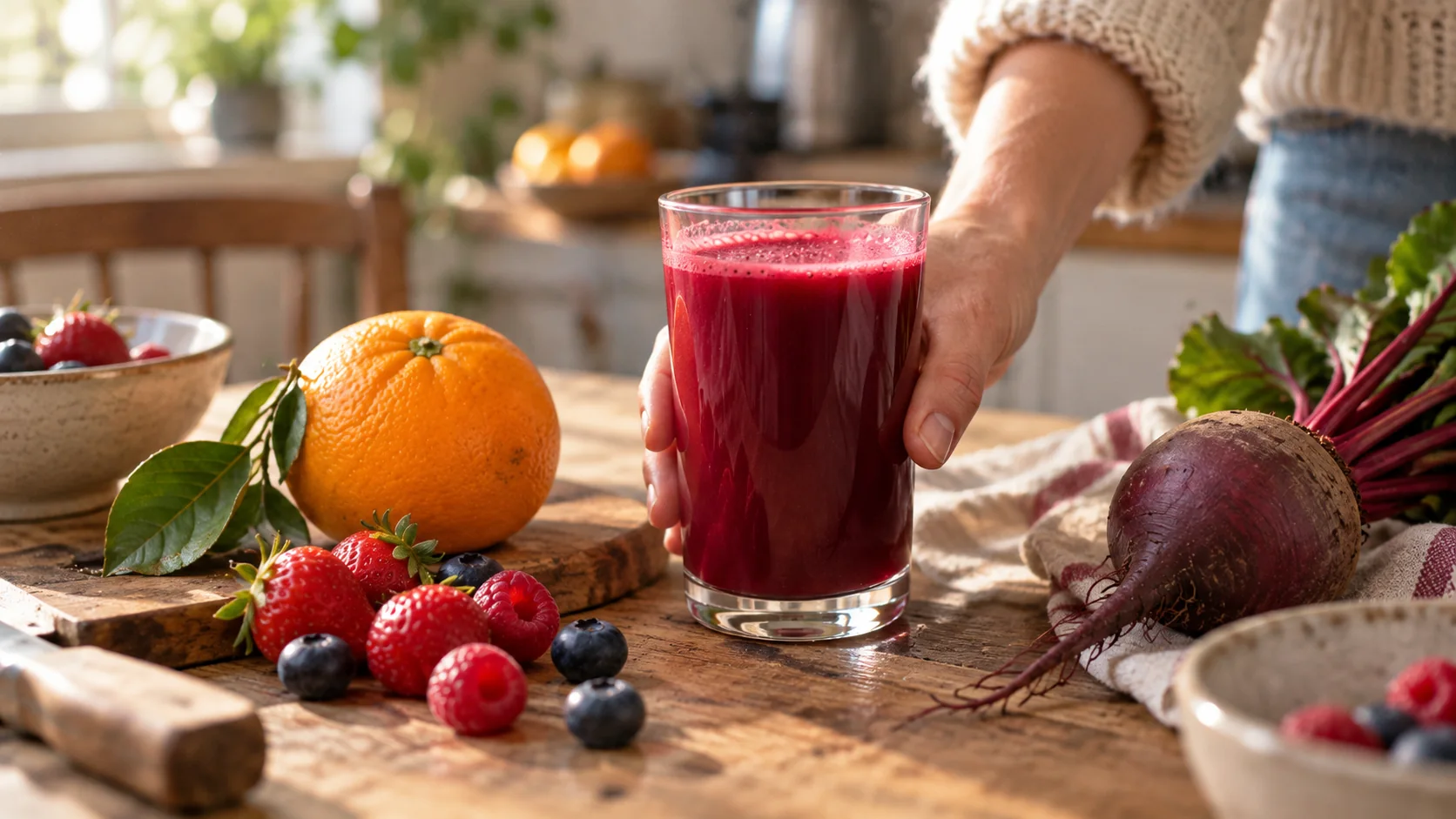
Orange, beetroot, and berries every day: what does this combination really offer?
Understand the nutritional and biochemical value of combining orange, beetroot, and berries, the potential benefits, and considerations for daily consumption.